Cognitive behavioural therapy
Practical, structured therapy that looks at what keeps a difficulty in place, and works on it with you rather than at you. In JLT.
What to expect
How it tends to start
In short
CBT is collaborative. You and the clinician work out together what keeps the difficulty going, and then what to do differently.
- Who it's for
- Adults, teenagers and children
- Session
- 50 minutes
- Where
- The clinic in JLT
- Languages
- English, Arabic, Hindi, Urdu
- Approaches
- CBT
A free 15-minute call
Informal, and with a licensed psychologist. Three or four broad questions about what has been going on — enough to point you at the right person, not enough to need preparing for.
Matched to a clinician
On what you are bringing, your age, the language you would rather speak it in, and who has the training for it.
Structured, and agreed together
The work has a shape, and what it focuses on is agreed between you. It takes account of your culture, values and circumstances rather than following a script.
What people bring to it
- Worry that runs on and on
- Panic attacks and agoraphobia
- Social anxiety and health anxiety
- OCD and intrusive thoughts
- Depression and low mood
- PTSD, after something frightening
Who you’d be sitting with
Therapy starts with finding the right therapist. Our team cover a range of therapeutic approaches.


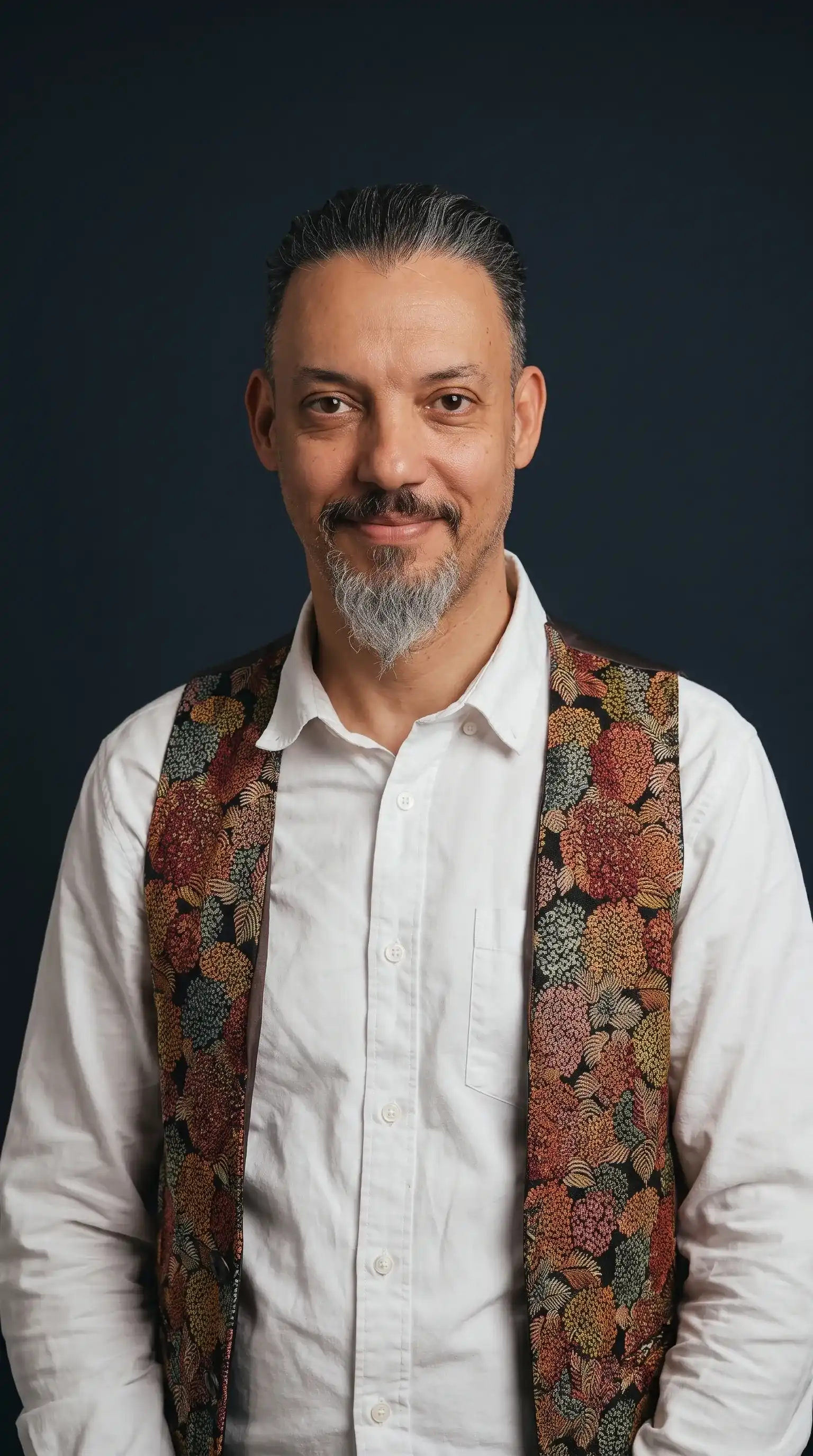


Now showing Dr Christian Perrin, Chartered Psychologist | Founder & Director
Questions people ask
The ones that come up most often before a first appointment.
Cognitive Behavioural Therapy. It looks at how thoughts, feelings and what you do affect each other, and at the patterns that keep a difficulty going, and it works on those patterns directly.
Dr Taregh Shaban is accredited by the BABCP, the British Association for Behavioural and Cognitive Psychotherapies. He trained at the Charlie Waller Institute and leads teaching in core CBT skills at the University of Birmingham Dubai. Dr Neelam Laxhman and Sabeeha Khan also work with CBT.
ERP, Exposure and Response Prevention, is a specific form of CBT for OCD. If OCD is what you are bringing, the OCD and anxiety page describes it.
It is meant to. Dr Taregh Shaban's doctorate is in cross-cultural CBT, on how culture and religion shape common mental health difficulties, and that research informs his work with people from many backgrounds.
Reaching out is the hardest part
Please complete the form so we can best assist you — tell us as much or as little as you’d like. The usual next step is a free 15-minute call with one of the psychologists. What you write stays between you and us.