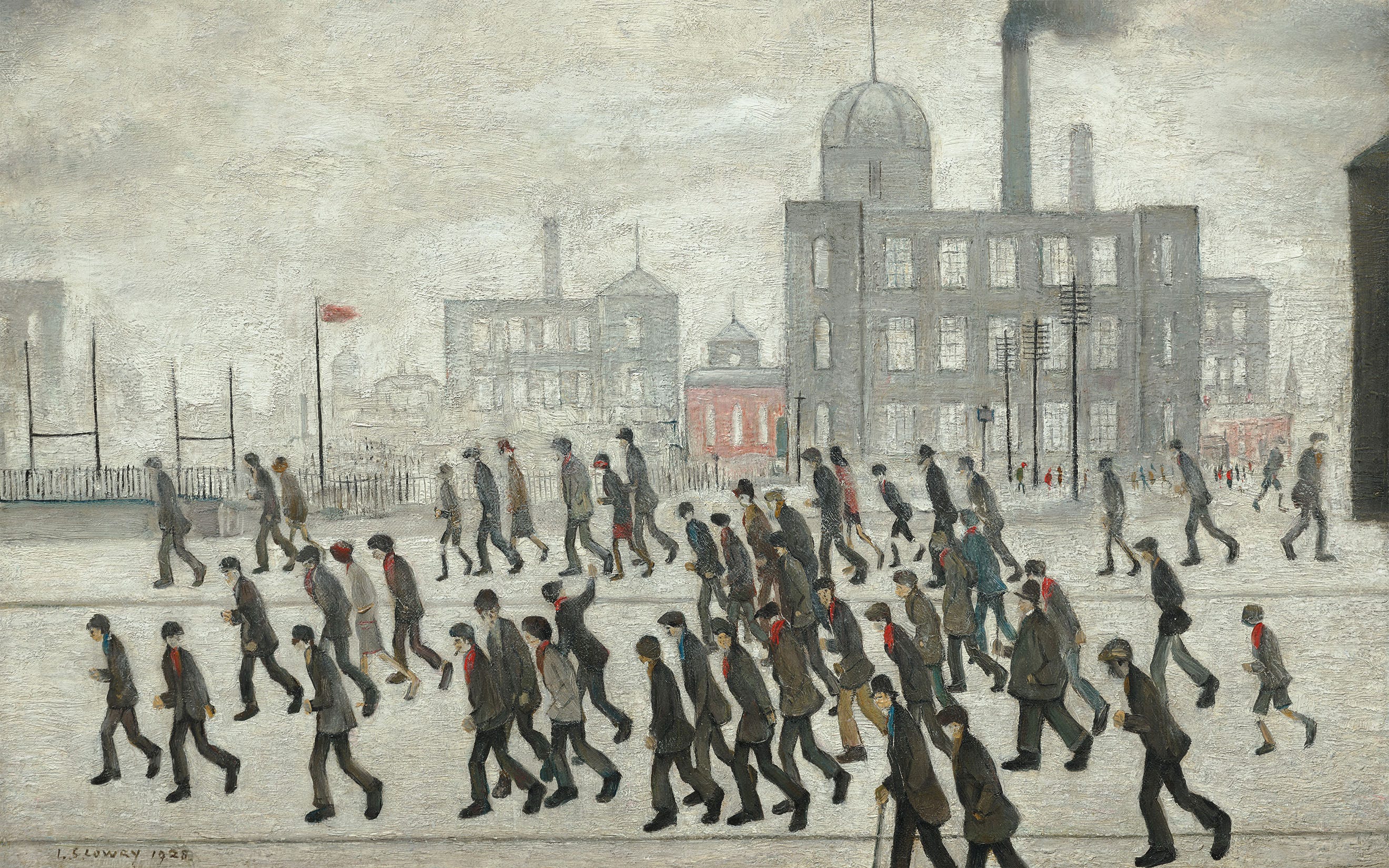
When I was a kid, we used to travel from Manchester to Chesterfield in Derbyshire. To me, Chesterfield felt exotic. Which probably says a lot about the limitations of my childhood geography. But still, it felt notably different - greener, quaint, and comparatively quiet. Even in suburbia, Manchester felt (because it is) industrial and loud, by comparison. But it was also grey and rainy. I didn’t see proper sunshine until I was about fifteen, and that was in Portugal. I am obviously exaggerating, but not massively. T. S. Lowry (see below) really understood how to display Manchester (a city I utterly adore, by the way - this isn’t a critique). Anyhow, even though I am probably misremembering, Chesterfield felt brighter. The air was cleaner. It also felt like there was more space between things. Life there felt calmer but also unusual to me as a child. I noticed things there. Different sweet shops. Odd accents. The smell of gardens. Big sheds full of tools. Long country roads with barely any traffic on them.
The main reason I loved going, though, was my Uncle Paul. Mum’s brother.
My uncle had this ability to turn ordinary days into proper adventures. We never just “hung out”. We built stuff. Blew things up. Fired things at each other. Hurt ourselves mildly. Exactly the sort of childhood experiences that are disappearing because of iPads. We used to go to the joke shop. Yes - the joke shop! It was as fun as it sounds. A whole shopful of goods curated for the ambitious child prankster. Fake cigarettes, imitation rubber turds you could place before the unsuspecting walker (Uncle Paul once ‘tripped’ and threw one of these at me years later while potty training my cousin and it scarred me for life), whoopy cushions, magic tricks, loaded decks of cards.
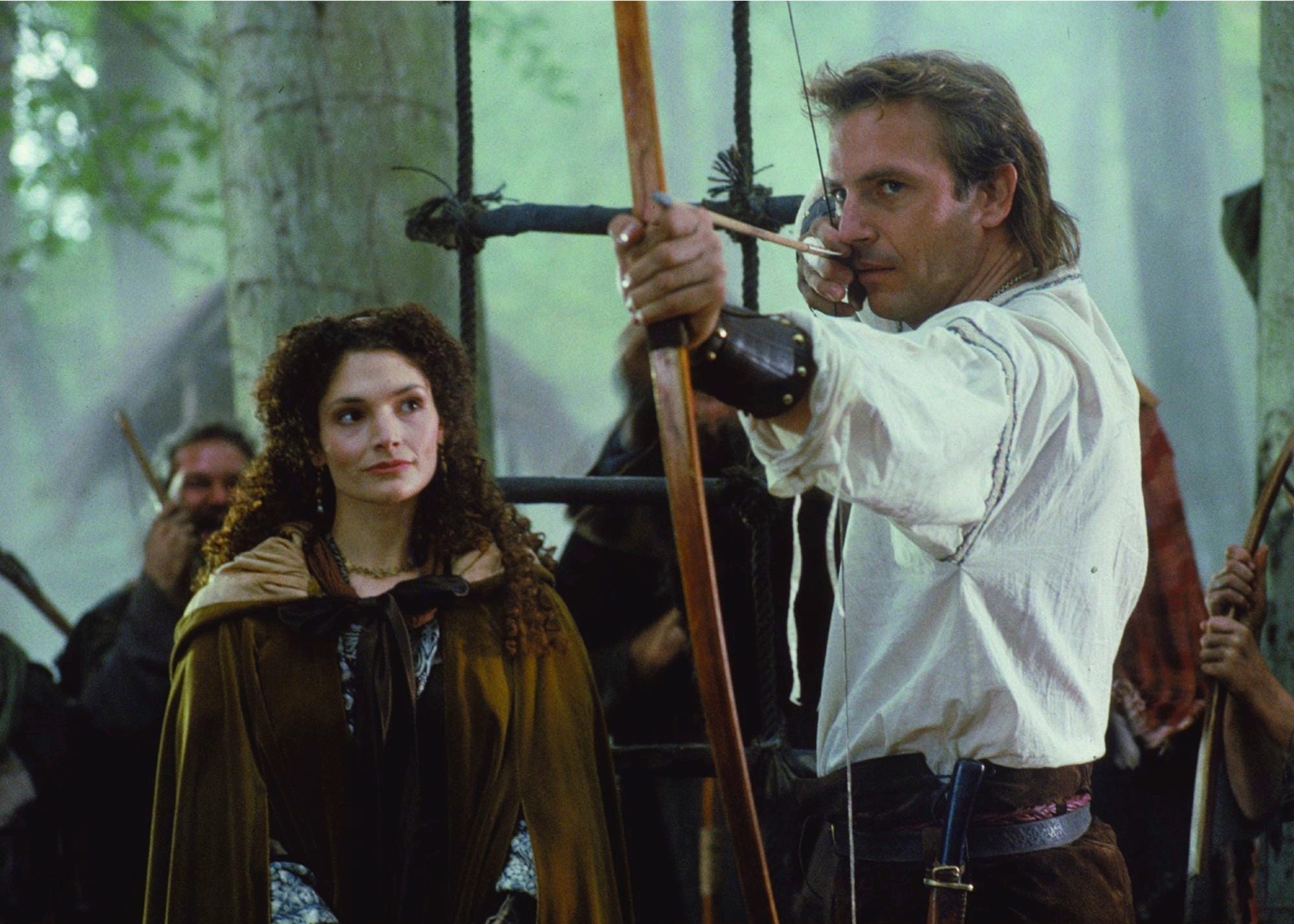
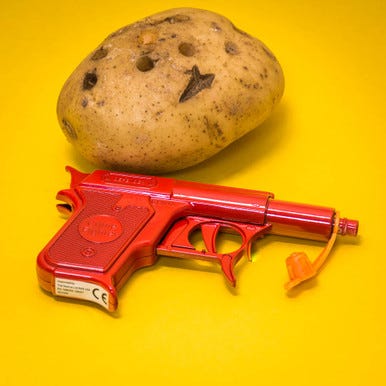
One trip, Uncle Paul bought me those little paper cap explosives you throw at the floor. I was obsessed with those. We made catapults. We made bow and arrows because I was obsessed with Robin Hood at the time and fully believed archery might become an important life skill in Swinton, Salford (it certainly would have been at my high school, which was full of people I wanted to shoot). He bought me a spud gun, which younger readers may need explaining. It was essentially a toy pistol designed to fire compressed potato directly at your friends at high velocity. An outstanding invention and a beautifully comedic way of potentially blinding someone.
Then one day we decided we were going to chop wood. Proper wood. Huge logs. Sharpened axes - what could possibly go wrong? Things did…
I remember going with him to choose the logs and being fascinated by the axe. Tools are magical when you’re a child. But an axe was especially dangerous and grown up, and totally out of bounds. Your mum does not want you anywhere near an axe. And she didn’t.
Paul showed me how to stand properly, how to stabilise the log, how to swing without accidentally amputating a foot (ironically, some years later he got half way to chopping off his own thumb and I think wood chopping dwindled as a hobby from there on out). The whole thing became a full-day event. We chopped wood in rare UK summer heat for hours with the plan that later that evening we’d make a fire together, which he also taught me how to do. We were having enough fun for ten people.
I still remember the smell of cut wood and summer heat. Do I bollocks.
I do, however, remember the fridge. Because my uncle always had a fridge full of Fosters beer. Bright blue cans stacked inside.
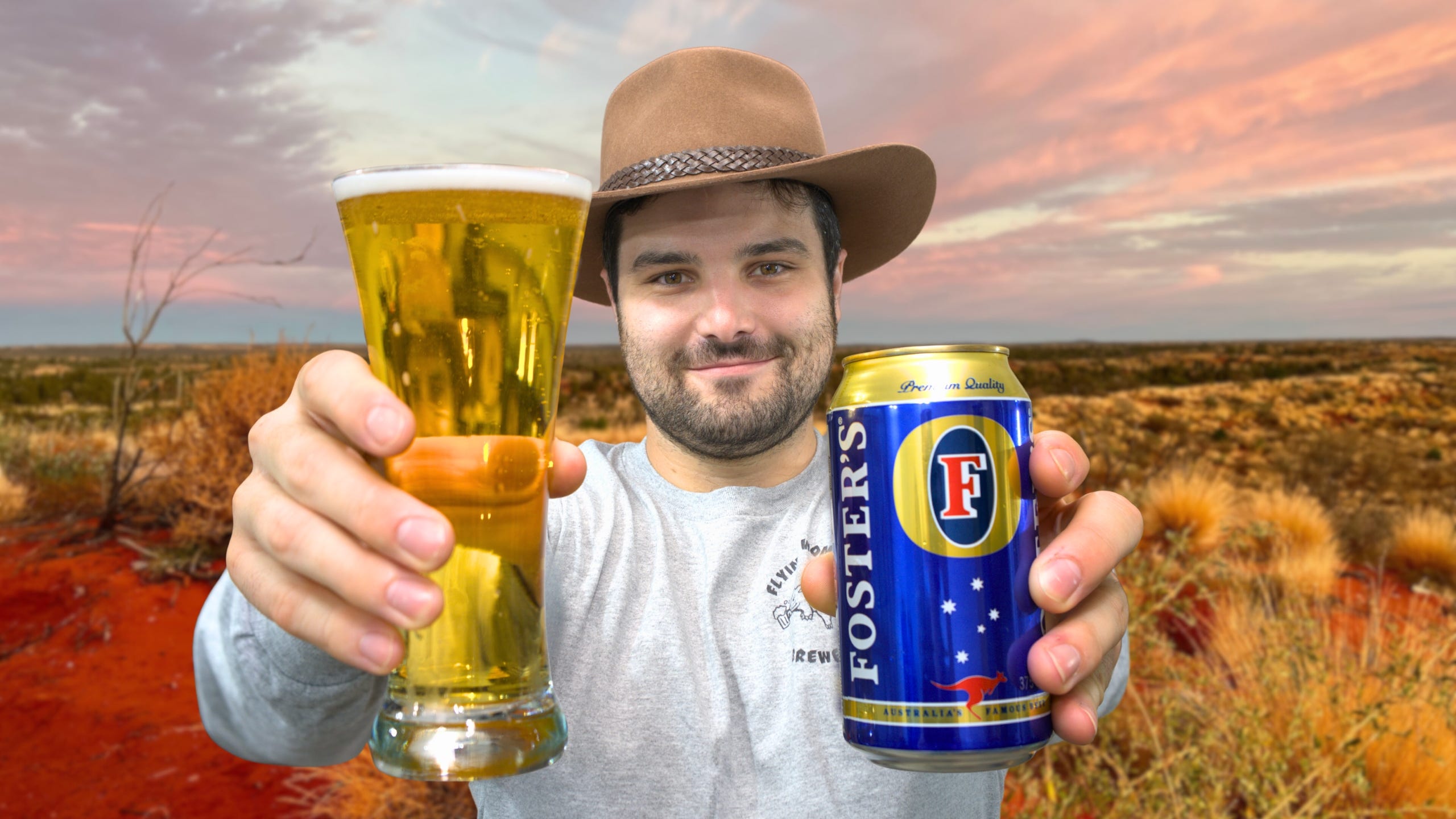
Now, as an adult, I think drinking Fosters voluntarily probably qualifies as a form of emotional collapse. But as a kid, beer intrigued me. Beer belonged to adults. Beer belonged to pubs, late nights, barbecues, football, laughter downstairs while you were told it was bedtime. There was some delightful deviance lurking around beer.
So at one point during this very hot day of chopping logs, Paul asked:
“Christian, can you nip inside and grab me a beer?”
And this is where my criminal career began. I went into the kitchen, opened the fridge, grabbed the can, and curiosity got the better of me. I cracked it open and took a sip.
It was disgusting.
Absolutely awful.
It tasted, and still tastes, like fizzy bread.
But before I could even process (rid) the taste properly, a bit of panic arrived immediately afterwards because now I had done something deviant. Something adult and sneaky. So I walked back outside and handed him the beer while trying to act normal, despite the fact that I almost certainly looked like an embodied compulsion to confess (that’s a fairly clever OCD reference, if anyone out there wants to notice).
Paul took the can, paused for a second, looked at me, and very gently asked:
“Did you try the beer?”
Now this was the moment. I could have just said yes. But instead, I panicked.
“No!” (with that intonation you do when you want to suggest that the question was absurd).
Too fast. Far too fast. Far too defensive.
The sort of lie that convicts you immediately.
Paul then held the can slightly towards the sunlight, and there on the rim was the condensation mark from my mouth. A perfect little outline of my lip print preserved like forensic evidence. Devastating.
Paul just smiled. Not angry or disappointed in the slightest. Barely even serious - he never has been.
He just gave me this amused little grin and said:
“It’s okay that you took a sip. There’s no need to lie about it”.
That was all he said.
But I remember feeling absolutely gutted afterwards.
Not because I’d been told off or because I was frightened.
I felt awful because I’d lied to somebody I loved.
And what struck me even as a child was how quickly lying changed the feeling between two people. The whole day until that point had felt incredibly genuine. We were building things together. Chopping wood. Talking nonsense. Probably firing bits of compacted potato at each other. Learning stuff. It was all so warm and cozy.
Then suddenly there was this strange thin layer sitting between us. A tiny bit of falseness. A miniature blockade in the way of an otherwise coherent and authentic thread.
I’ve spoken to Paul about this loads over the years because the memory stayed with me so vividly. It genuinely became one of those flashbulb moments that shape the way you move through relationships afterwards.
He barely remembers it.
Of course he doesn’t.
To him it was an eleven-year-old taking a sip of lager and telling an extremely obvious lie.
To me, it became a lesson about what lying actually does.
And, naturally, I’ve thought about it a lot since.
Because I don’t really think about lying in moralistic terms. Human beings lie constantly. Everybody does. We lie socially. We lie professionally. We lie to avoid embarrassment. We lie because honesty can make us feel exposed and ashamed and vulnerable. There is also a huge adaptive function to deception. Human beings evolved to deceive successfully. In forensic psychology, my co-researcher and dear friend Nicholas Blagden and others have written about denial and self-protection in people with criminal convictions, and why people maintain lies even when the evidence is overwhelming. Sometimes deception protects identity. Sometimes it protects people from psychological collapse. Sometimes people simply are not ready to confront what the truth would mean about themselves.
People lie for understandable reasons.
But what that moment with my uncle taught me was that lying changes the quality of closeness between people. The second you lie, even in small ways, you stop sharing reality together and start managing perception instead. You become slightly less knowable and marginally less reachable.
Most lies happen because people do not want to tolerate vulnerability.
They do not want to admit they are ashamed, jealous, frightened, needy, insecure, dishonest, resentful, disappointed, confused, attracted to somebody they should not be attracted to, or hurt by something they feel they should be “above” or “better than”.
So instead they manage impressions. And the strange thing about impression management is that although it protects you temporarily, it often incrementally removes the possibility of genuine intimacy afterwards. You can feel it in relationships when it happens. Conversations become more careful. Less relaxed. Less alive. Two people continue talking while both instinctively sensing that something authentic has exited the surrounding context. And to me - that’s what lying does - it robs the person you lied to of the opportunity to have an authentic experience of you, and with you.
I still think about that condensation ring on the beer can sometimes, and I still (25 years on) feel a diluted version of the pang I felt when I realised I’d tarnished something so pure and genuine. And perhaps that is why honesty feels so relieving when it appears. Somebody drops the performance for a second and everything feels authentic again.
Anyway, I’m not pretending that I am morally pure here. I’ve lied since then. I’m sure I will again at some point. Human beings are messy and social life is messy. But I do try very hard not to. Over time I have realised that the real cost of lying is not guilt, but distance. Lying consistently will get you an awful lot closer to a life of isolation. Conversely, authenticity and genuine connection are purchased through vulnerability and honesty.