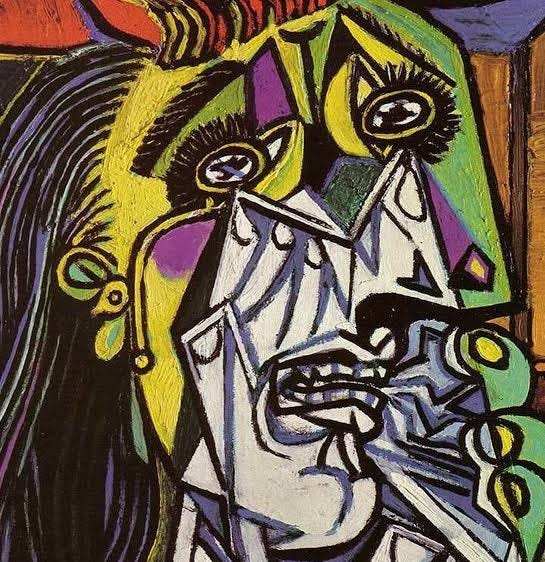
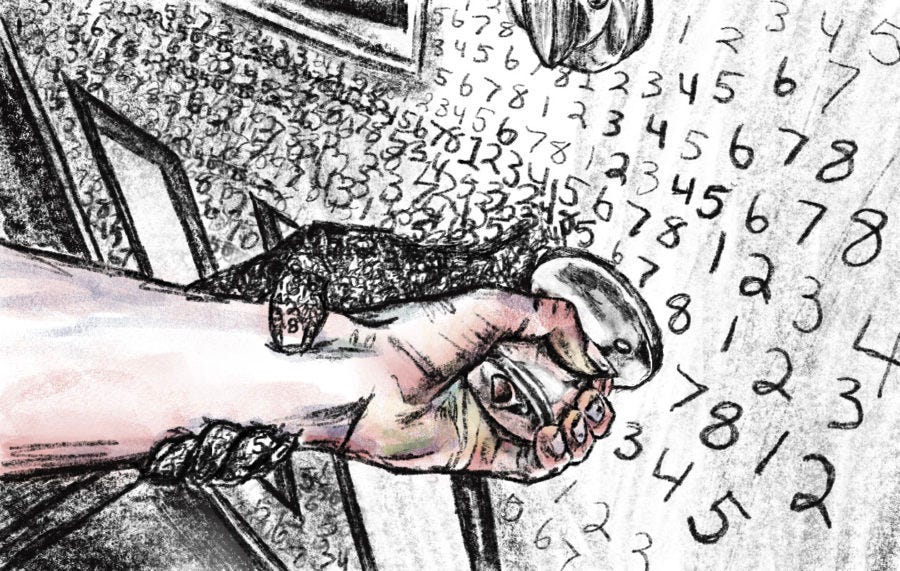
There is a persistent myth that existentialism is gloomy. That it is all black roll-neck jumpers, cigarette smoke, cafés in Paris, and miserable men staring into the void while muttering about death. I mean, there is a bit of that.
And to be fair, existentialist philosophers did not exactly help themselves here. Jean-Paul Sartre looked permanently pissed off. Emil Cioran wrote a book called The Trouble With Being Born (it’s actually incredibly optimistic, and one of my favourite reads). Albert Camus opened one of his most famous essays by saying that suicide is the only truly serious philosophical concern. So, I admit - this is not ideal branding.

But existentialism is not nihilism. In fact, it is arguably the opposite of nihilism. Nihilism can be (poorly) surmised as the position that nothing matters. Conversely, existentialism posits that there is no preordained, universally verifiable, or ‘true’ meaning underpinning our existence, and that human beings therefore have the responsibility (I prefer ‘opportunity’) of constructing their own meaning.
That is a radically different proposition from the one most people seem to assume when discovering existential works, which is ‘everything is meaningless’.
At its core, existentialism begins with a fairly simple observation: human beings arrive into existence without a clear instruction manual for how to live. You do not choose the century you are born into, your genetics, your family, your culture, your early experiences, or the body you inhabit. You simply find yourself here and, despite all of that uncertainty and contingency (the idea that much of life is shaped by chance, circumstance, and the fact that things could easily have been otherwise), you still have to decide what to do with your life. Even declining to decide is a decision.

A lot of modern anxiety seems to emerge from people believing there is a “correct” life they are supposed to discover. The correct career, the ‘true’ relationship (i.e., ‘true love’, ‘soul mates’, and ‘the one’), the fatalistic life path that you were always ‘meant’ to discover, etc. etc. All of this presupposes that there exists a hidden answer sheet that everybody is anxiously trying to locate. Existentialism rejects this completely. It argues that meaning is not found in the way people find buried answers. Rather, meaning is built gradually through commitments, relationships, creativity, risk, pain (unavoidable), suffering (optional), love, work, and the choices we make over time.
That is why existentialism is often far more liberating than depressing.
It means your life does not have to resemble anybody else’s in order to be worthwhile and valuable. You do not have to pursue the same milestones as your peers. You do not have to endlessly optimise yourself into becoming a hyper-productive LinkedIn caricature. You do not even have to want the things you have been taught to want - a mortgage, a pension plan, kids. One of the central existential questions is whether the life you are currently living genuinely feels chosen, or whether you simply absorbed it passively from the surrounding culture without ever stopping to examine it.

That is where existential psychotherapy emerges.
Irvin D. Yalom described existential therapy as an approach focused on the unavoidable realities of being human: freedom, uncertainty, mortality, isolation, and the search for meaning. Unlike some approaches which focus primarily on symptom reduction, existential psychotherapy is often more interested in helping people confront life honestly and deliberately. It asks questions which are deceptively simple but psychologically quite confronting:
How are you living?
What are you avoiding?
Which parts of your identity feel authentic and which feel performed?
What have you been postponing?
Are your decisions genuinely yours?
What would it mean to take ownership of your life more fully?
A lot of people arrive in therapy believing that anxiety, for example, is automatically evidence that something has gone wrong. Existential therapists often see it differently. Anxiety is the inevitable consequence of freedom, uncertainty, and the recognition that our choices have consequences that we must own. Human beings tend to want certainty before commitment. We want reassurance that our decisions are correct before we take responsibility for them. Existential thought pushes against this fantasy because life rarely provides that kind of certainty.
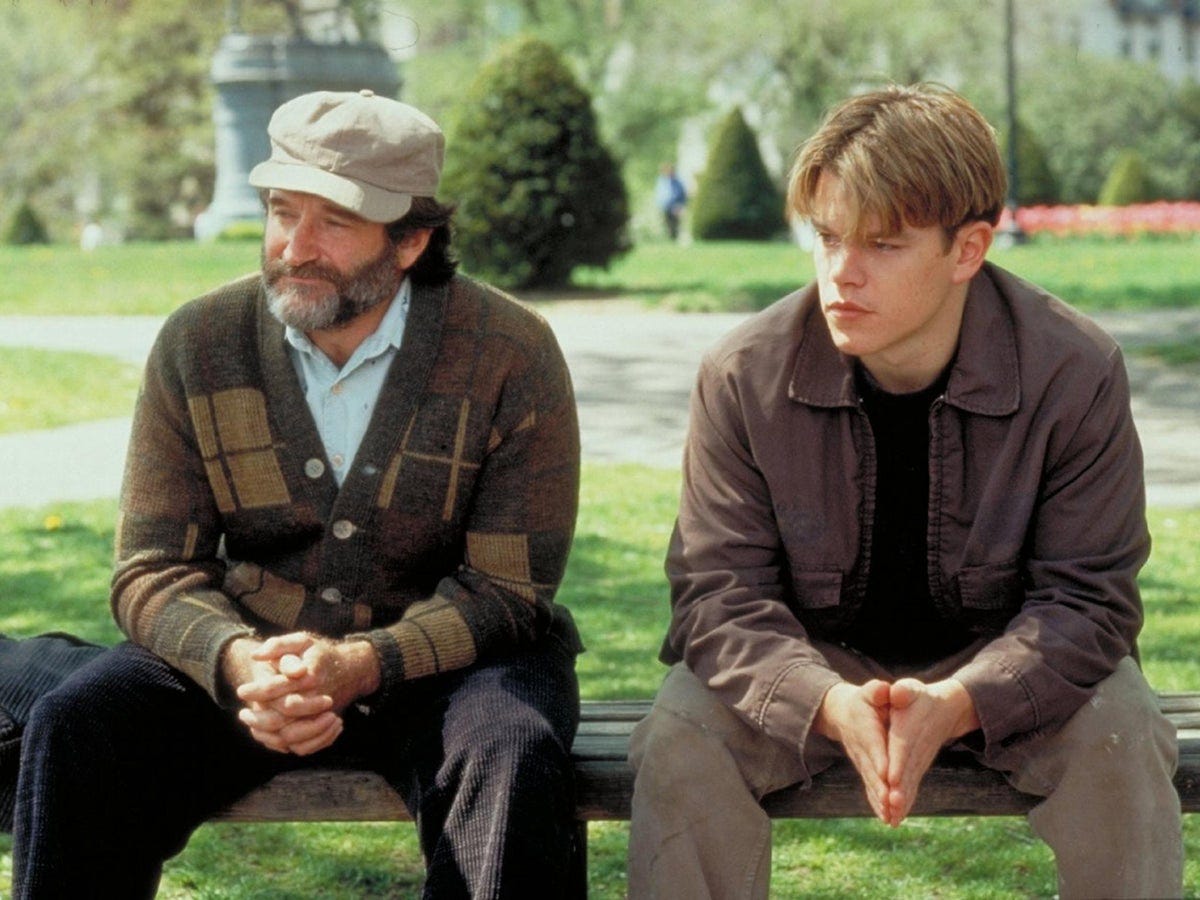
This is why existential psychotherapy, after a fair few sessions, can feel grounding. It is not trying to convince people that uncertainty disappears. It is helping people build a life despite uncertainty. In therapy, I often get people to repeat the phrase “in order to be anxiety free, I must be uncertain”. The goal is not to remove the realities of mortality, risk, loss, and vulnerability from human existence. The goal is to help people move away from struggle and avoidance and towards allowance and awareness.
Awareness of death, for example, is not supposed to make life feel empty. Existential thinkers often argued the opposite. Scarcity creates value. If human beings lived forever, urgency would disappear entirely. Many people already understand this intuitively, but still live as though their ‘real’ life will start later on. Later, when they feel more confident. Later, when they feel less anxious. Later, when circumstances are perfect. Existentialism asks what happens if you start relating to your life as something that is unfolding right now, rather than something that will make sense later, when meaning arrives from a 40 year career, or successful kids, or God.
That is why existentialism is not depressing in the way people often assume. It does not argue that nothing matters. It argues that meaning is not handed to us automatically, and that this absence of a universal script is not tragic. In many ways it is the condition that entirely allows freedom to exist. If there is no objectively correct template for being human, then there is also no single legitimate way to live a meaningful life. The real question existentialism leaves us with is not whether life has some grand cosmic meaning that can be verified beyond doubt. It is whether the life you are currently living actually feels like yours.